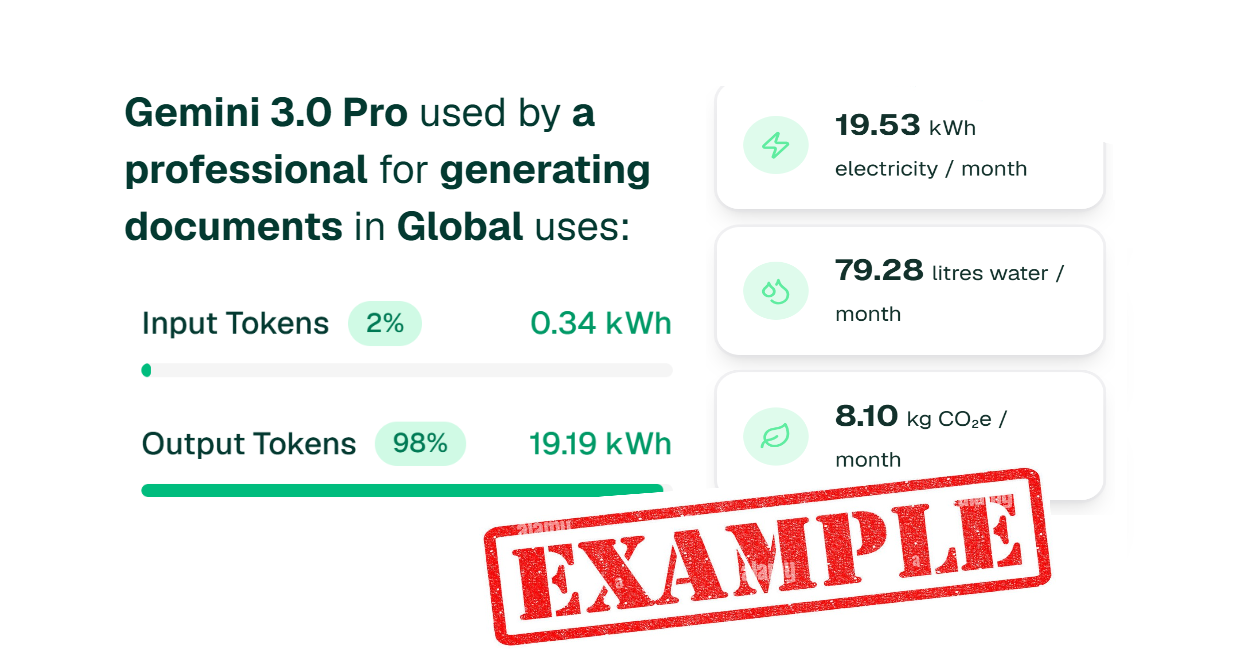
Demystifying the Environmental Footprint of AI: How to Calculate Energy, Carbon, and Water Consumption
This blog post explains the complexity of calculating the environmental footprint—energy, carbon, and water—of Artificial Intelligence, particularly Large Language Models (LLMs).
Because AI workloads are highly variable, accurate measurement requires granular, instance-level data across four areas: model and hardware specifications, token-level energy consumption, workload dynamics (like caching and batching), and local grid data.
Once measured, organisations can apply "AI GreenOps" to reduce their impact. By right-sizing models, optimising prompt lengths, and maximising hardware efficiency, businesses can sustainably manage their AI integration while minimising resource consumption and emissions.
WEBINAR - Digital Sustainability: Reducing Technology-Based Emissions and Driving Enterprise Value
Digital Sustainability is moving from peripheral ESG topics to core enterprise strategy. This blog summarises a webinar with Generate Zero on reducing technology-based emissions and unlocking business value. It highlights a historic blind spot: the digital realm, traditionally overlooked in sustainability audits. By reframing digital impacts as strategic opportunities, the discussion offers key takeaways and candid insights on integrating digital practices into broader decarbonisation efforts and value creation for the enterprise.

Webinar: Digital Sustainability; The What, Why & How
The recent Technology Executive Roundtable on Digital Sustainability provided an essential strategic overview for executives.
The session established digital sustainability as a critical business imperative, driven by regulatory requirements, investor pressure, employee values, and the need for efficiency. With 5 billion people connected and constantly interacting, digital consumption represents an estimated 40% of an individual's carbon budget when aligned with Paris 1.5°C targets. Organisations must urgently shift from reactive compliance to proactive sustainability strategies that deliver both environmental impact and business value.

BIG TECH Navigating the Sector’s Climate Imperative: A Call for Transparency and Strategic Disclosure
The technology sector is facing a "climate strategy crisis" as rapid growth in areas like AI leads to soaring energy demands, undermining existing climate pledges. Many tech companies' greenhouse gas (GHG) emission targets are losing meaning due to this unconstrained energy consumption, particularly from data centres and hardware production, coupled with outdated market-based accounting methodologies that can obscure actual emissions.

IT Sustainability Maturity Assessment
IT sustainability maturity benchmark program.
Assess your current state in 11 pivotal characteristics and capabilities for driving and partnering on enterprise sustainability. Benchmark your organisation using standardised KPIs and compare results internally and against others in your industry.

PODCAST : How AI and Digital are changing the Sustainability Landscape
The technological revolution transforming Australian businesses carries a hidden environmental cost that few sustainability practitioners fully understand. In this revealing conversation with digital sustainability expert Tim Prosser, we uncover the substantial climate impact of our digital lives and explore how organisations can address this overlooked aspect of their sustainability strategy.