
What Australia Can Learn from the UK’s Gold Standard in Digital Sustainability
As Australia implements mandated climate disclosures, addressing the hidden supply chain emissions of "digital exhaust" has become a critical priority.
This post highlights the UK Government’s Greening Government Commitments ICT Annual Report as a premier global blueprint for digital sustainability. Through cross-sector collaboration and policy integration, the UK successfully reduced its massive public sector ICT carbon emissions by 13% in just one year. Australian sustainability, finance, and technology leaders can leverage this landmark case study as a practical roadmap to translate digital decarbonization into significant environmental and economic wins.
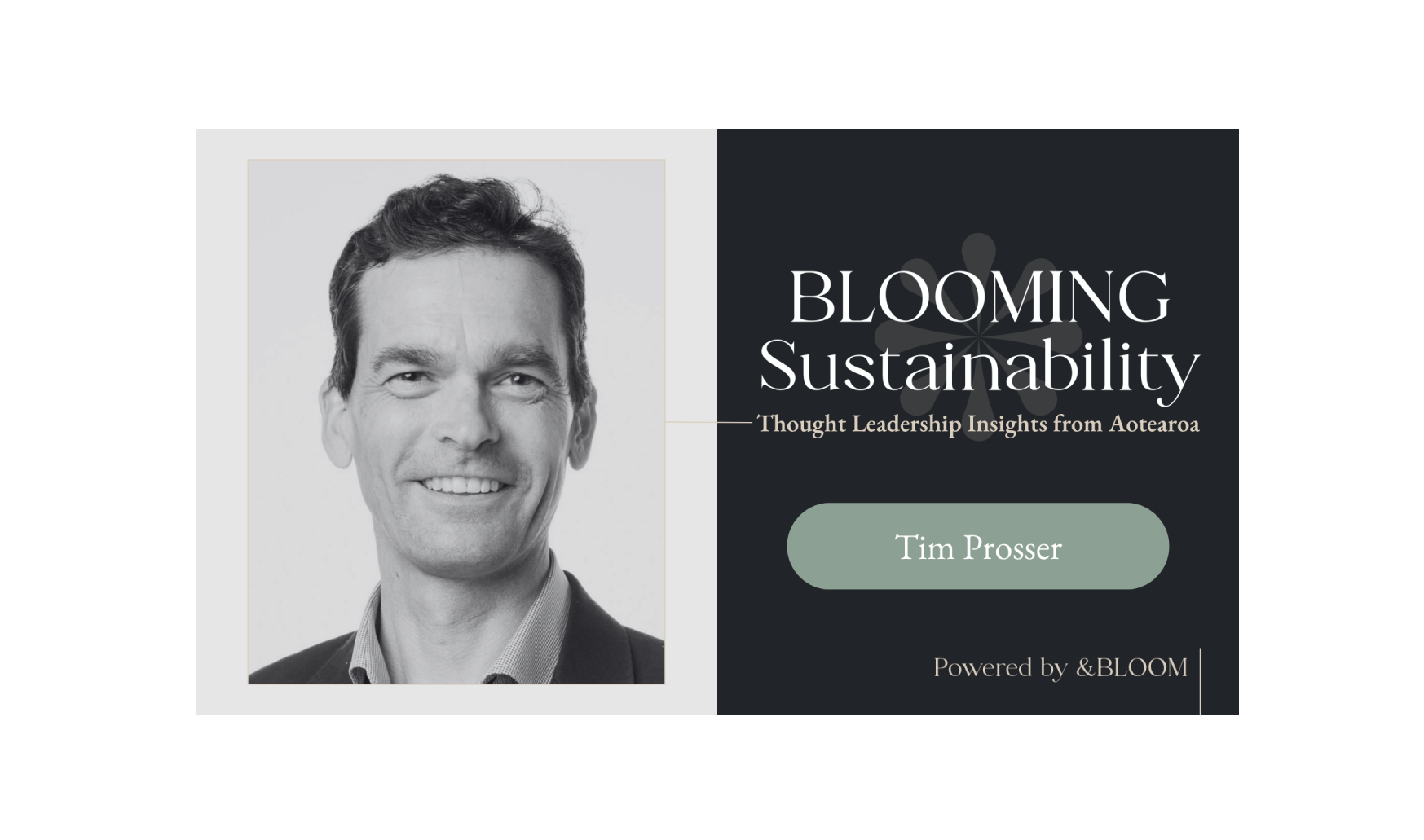
The Cloud Has Weight: My Feature in Blooming Sustainability Edition 58
In The Cloud Has Weight, in this guest article our founding director Tim Prosser exposes the hidden physical footprint of digital operations. He critiques inaccurate spend-based carbon measurements, advocating instead for granular, activity-based tracking.
Highlighting rising procurement demands for emissions transparency, Prosser demonstrates how digital sustainability aligns with financial ROI—such as decommissioning idle "zombie servers" to simultaneously cut costs and carbon. He emphasises New Zealand's competitive green energy advantage and urges organisations to make sustainability a core IT design constraint early in the development process. Ultimately, Prosser calls for vital collaboration between IT, finance, and sustainability teams to reduce the digital economy's environmental impact.

PODCAST: Your Cloud Has a Dirty Secret: The Hidden Carbon Footprint of Your Company’s Tech (Part 1)
In this episode of the Green Fix Podcast, I return to discuss the maturing landscape of Digital Sustainability. Hosts Loreto Gutierrez and Dan Leverington explore the hidden environmental costs of enterprise technology, warnings against relying on unverified vendor carbon data. The discussion highlights staggering emission reporting variances within the financial sector and the urgent need to transition from spreadsheets to auditable, high-provenance data. Introducing the "Sustainability Value Triangle"—aligning Finance, IT, and Sustainability teams—to ensure accurate climate disclosures and mitigate greenwashing risks in an increasingly regulated market.
CASE STUDY: UK Gov Unlocking Hidden Tech Carbon: Insights for Australian Tech Leaders
Case study on applying UK Government Digital Sustainability Alliance (GDSA) Scope 3 insights to Australia’s tech sector. It emphasises that Scope 3 emissions—often 70–90% of digital carbon—require a practical “Operate and Improve” approach: baseline measurement, engaged procurement, and circular reuse.
Key levers include extending asset life (right-sizeing), sustainable procurement with product-level data and second-life hardware, and correcting myths that green energy alone eliminates carbon. The post translates these insights into Australian practice: align with federal targets, challenge global suppliers, and prioritize logistics to reduce Scope 3 more than Scope 2. A concrete three‑phase action plan and checklist guide practitioners toward tangible reductions in ICT emissions.

From Talk to Action: Digital Carbon Footprint - From Greenwash to Accountability
How do we measure, report, and reduce the environmental impact of cloud computing, data centres, and digital applications? This session as part of CAWSYD’25 cut through greenwashing to explore practical strategies for businesses to track and manage their digital emissions with integrity.