Demystifying the Environmental Footprint of AI: How to Calculate Energy, Carbon, and Water Consumption
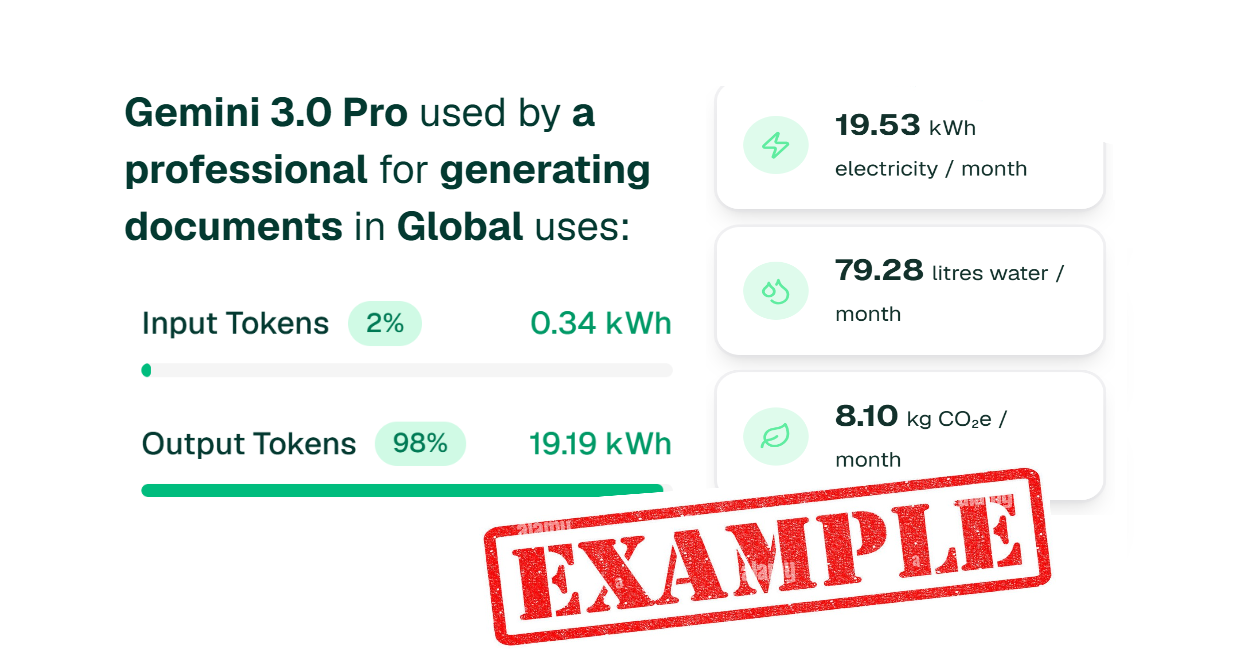
This blog post explains the complexity of calculating the environmental footprint—energy, carbon, and water—of Artificial Intelligence, particularly Large Language Models (LLMs).
Because AI workloads are highly variable, accurate measurement requires granular, instance-level data across four areas: model and hardware specifications, token-level energy consumption, workload dynamics (like caching and batching), and local grid data.
Once measured, organisations can apply "AI GreenOps" to reduce their impact. By right-sizing models, optimising prompt lengths, and maximising hardware efficiency, businesses can sustainably manage their AI integration while minimising resource consumption and emissions.