Decarbonising the Future: Key Takeaways from London Climate Action Week 2026
Published on Sustainably Digital | July 6, 2026
London Climate Action Week 2026 was electric—quite literally. Across the city, amidst a scorching June heatwave, at over 1,300 events attended by 75,000 people the conversations shifted from setting distant targets to the gritty reality of execution. This year, three distinct but deeply interconnected themes dominated the events I attended: the environmental footprint of Artificial Intelligence, the urgent need for a green-skilled workforce, and the disruptive consumer tech ready to decentralise our energy grid.

Taming AI’s Carbon Footprint On Tuesday, June 23rd, the focus was squarely on the double-edged sword of AI. At the Sustainable IT Impact Summit and the accompanying invite only AI Roundtable at the Swiss Embassy, the core challenge discussed was decoupling the exponential growth of AI compute from massive carbon emissions and unsustainable freshwater consumption.
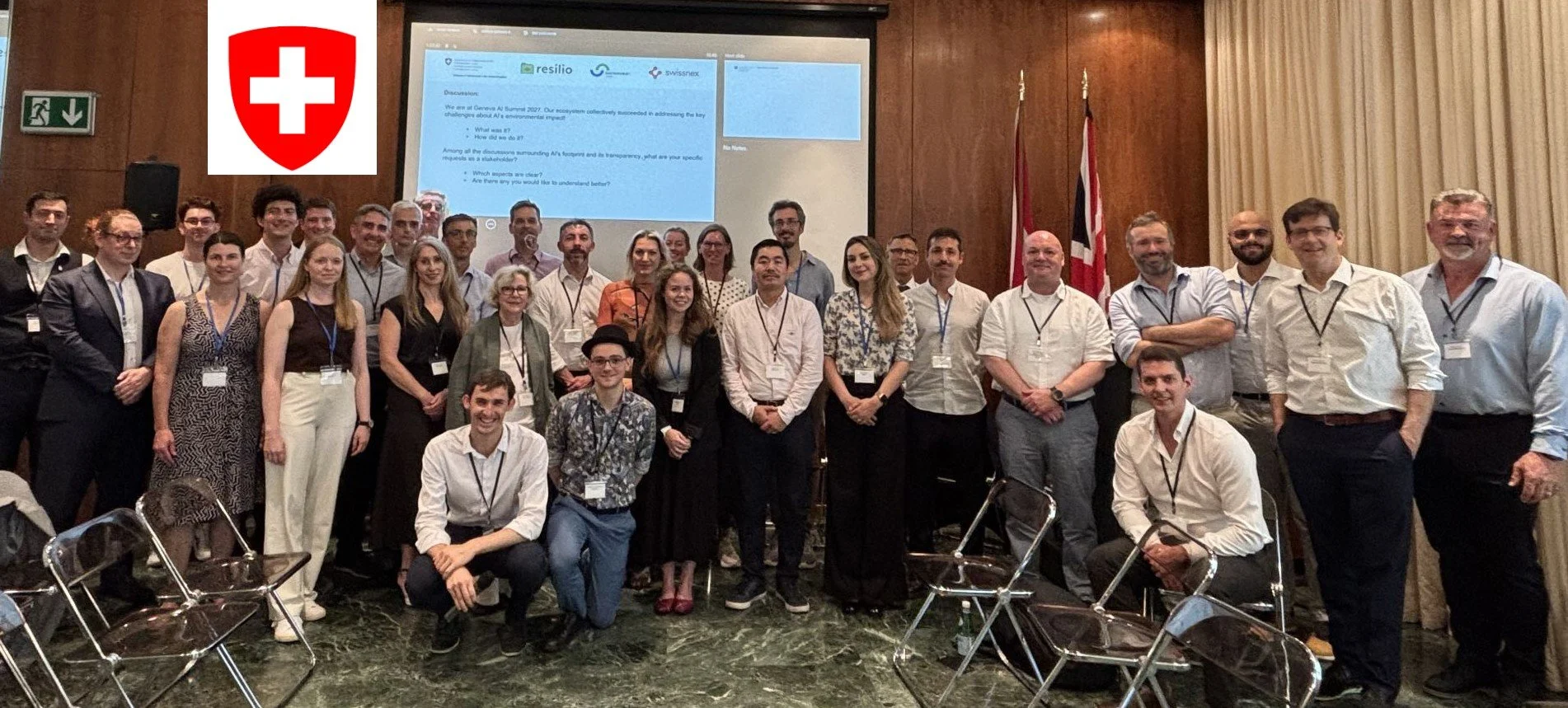
The consensus in the room was that we must embrace sustainability by design. Invited experts argued that sustainability can no longer be treated as an after-the-fact reporting exercise. Instead, environmental insights must be embedded directly into early-stage architecture to flag energy-intensive AI design choices before infrastructure is provisioned.
Managing this shift requires formalising GreenOps as a core IT discipline, giving practitioners the operational standards to read and act on telemetry like Power Usage Effectiveness (PUE) and Water Usage Effectiveness (WUE). Without structural updates to global digital skills frameworks to integrate sustainability-by-design, our energy systems simply cannot handle the AI boom without breaking the climate system.
The Green Skills Bottleneck This technological challenge seamlessly fed into the broader workforce dilemma discussed at Schneider Electric's "Sustainability Leadership IN ACTION" event on June 25th. A standout panel, "People and Skills for Electrification," highlighted that delivering a just and rapid energy transition requires a massive workforce mobilisation.
This remains a critical vulnerability for the UK economy.
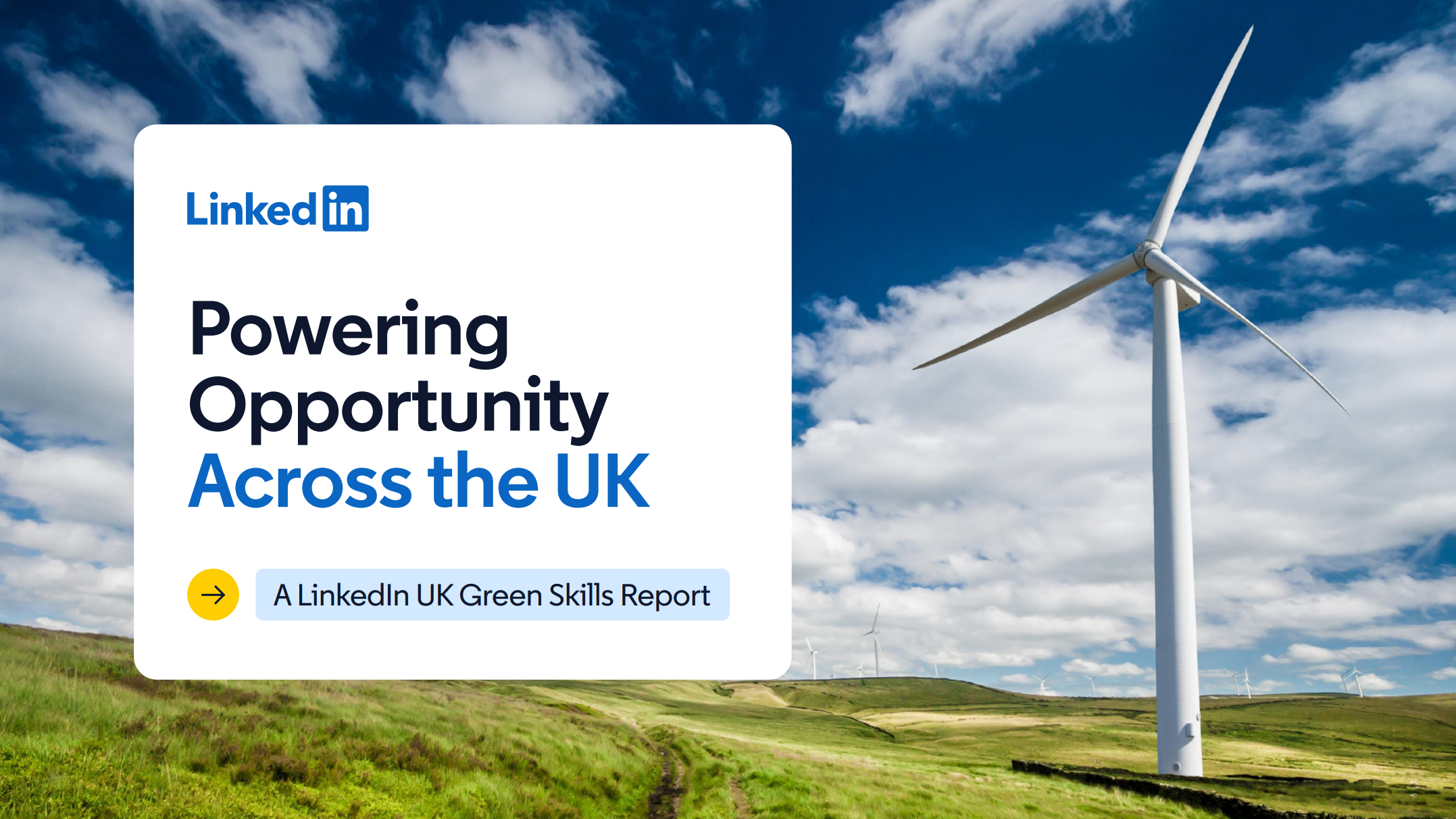
According to the 2026 LinkedIn UK Green Skills Report, green hiring is growing at 7.78% annually—nearly twice as fast as the 4.19% growth in green talent supply. The energy transition is fundamentally a workforce transition.
The good news is that green skills are no longer confined to niche technical roles like wind turbine technicians; they are rapidly diffusing into IT, finance, and professional services, becoming core business competencies across the entire economy. Yet, as Schneider Electric’s sessions highlighted, the sheer pace of sustainability decision-making is currently outpacing what most corporate teams can sustain on their current operating models.
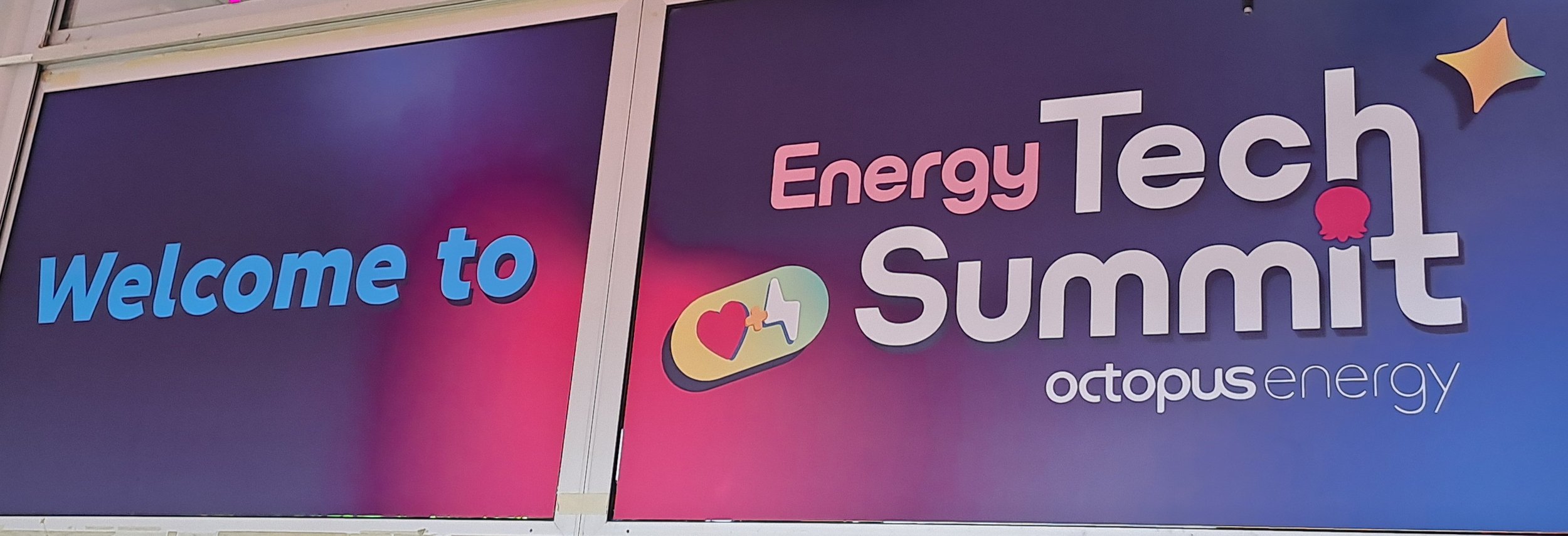
Disruption and Consumer Power The week's undeniable crown jewel was the Octopus Energy Tech Summit, which packed a 4,000-capacity venue in Battersea Park under the shadow of a giant, hot-pink wind turbine aptly named "Fanboy Slim".
Octopus flipped the traditional echo-chamber conference on its head by bringing four thousand of their own customers and employees into the room alongside policymakers, scientists, and tech pioneers like astronaut Major Tim Peake, Wikipedia Founder Jimmy Wales and Inventor & Author William Kamkwamba (Book/Film: The Boy Who Harnessed The Wind).
The summit was defined by two massive, industry-shifting announcements that prove the future of energy is decentralised:
Octopus Nook: Arriving in 2027, this is a new range of home batteries designed to democratise clean tech. Crucially, it includes the "Nook Cube," a compact, plug-and-play battery specifically designed for renters and apartment dwellers, alongside the larger wall-mounted "Colossus" for homeowners.
Swaptopus: A ground breaking joint venture with CATL, the world's largest battery manufacturer. This project will deploy ultra-fast battery-swapping hubs for heavy-goods vehicles across Europe. With the first UK mega-hubs going live in 2027, electric trucks will be able to swap a depleted battery for a full one in minutes, directly tackling the biggest barrier to green logistics.
Final Thoughts From high-level boardroom discussions on algorithmic carbon footprints to hands-on consumer battery tech, LCAW 2026 proved that the solutions to the climate crisis are already here. The challenge now is scaling them. Whether it’s through upskilling our tradespeople, mandating enterprise ICT GreenOps, or simply plugging a pink battery into a rented apartment wall, the power to change the energy system is increasingly in our hands.
References;
Powering Opportunity Across the UK: A LinkedIn UK Green Skills Report [LinkedIn UK]
Data Center Climate Risk: $388B in Enterprise Value at Stake [Schneider Electric]
Offtake to online: how corporates drive innovation - The corporates driving demand for clean technologies. [Sightline Climate/Currence in Partnership with HSBC Innovation Banking]
Sustainable IT Summit (Session Recordings)